
The Whole Plate: A Balanced Nutrition Guide


Thinking about nutrition can feel SO overwhelming.
So many diets, so many rules, so many “shoulds.”
But what if I told you that eating well doesn’t have to be complicated?
Imagine your plate as a colorful canvas, where every bite you take paints a picture of health, energy, and joy. That’s what balanced nutrition is all about—creating a whole plate that nourishes your body and soul.
Let’s walk through this together. I’ll share what I’ve learned about building a balanced plate, why it matters, and how you can make it work for you—without stress or guilt.
What Does Balanced Nutrition Really Mean?
Balanced nutrition isn’t about strict diets or cutting out entire food groups. It’s about harmony. Think of your plate like a symphony where every instrument plays its part perfectly. You want a mix of:
Proteins to build and repair your body
Carbohydrates to fuel your energy
Fats to support brain health and hormone balance
Vitamins and minerals from fruits and veggies to keep everything running smoothly
When these elements come together, your body feels satisfied, energized, and fed.
Why Should You Care?
Because food is more than fuel. It’s comfort, culture, and connection.
When you eat a balanced plate, you’re not just feeding your body—you’re nurturing your whole self. You’ll notice better mood, clearer skin, improved digestion, and even a stronger immune system.
Building Your Balanced Nutrition Guide: The Plate Method
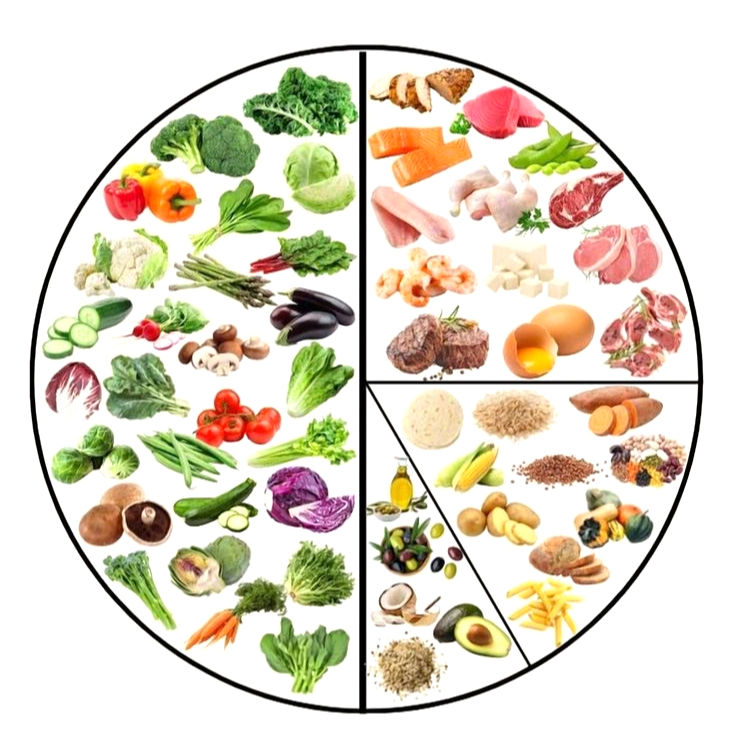
Here’s a simple way to think about your meals: divide your plate into sections. This method is easy to remember and flexible enough to fit any lifestyle.
1. Half Your Plate: Vegetables and Fruits
Fill half your plate with colorful veggies and fruits. These are packed with fiber, vitamins, and antioxidants. They help keep your digestion smooth and your immune system strong.
Try roasting a mix of sweet potatoes, broccoli, and bell peppers.
Add a fresh salad with spinach, cherry tomatoes, and cucumbers.
Snack on berries or an apple for a natural sweet treat.
2. One Quarter: Protein
Protein is your body’s building block. It helps repair tissues and keeps you feeling full longer.
Choose lean meats like chicken or turkey.
Include plant-based proteins like beans, lentils, or tofu.
Don’t forget fish, eggs, or dairy if you enjoy them.
3. One Quarter: Whole Grains or Starchy Vegetables
Carbs often get a bad rap, but they’re essential for energy. The key is choosing whole grains or nutrient-rich starchy veggies.
Brown rice, quinoa, or whole wheat pasta are great options.
Sweet potatoes, corn, or peas also fit here.
These foods provide fiber and keep your blood sugar steady.
4. Add Healthy Fats
Healthy fats are crucial for brain function and hormone production. They also make your meals more satisfying.
Drizzle olive oil on your salad.
Snack on a handful of nuts or seeds.
Include avocado slices or a small piece of cheese.
How to Make Balanced Nutrition Work for You Every Day
I get it—life is busy. Sometimes, it feels easier to grab whatever’s quick and convenient. But small changes can make a big difference. Here’s how I’ve made balanced eating a part of my daily routine, and how you can too:
Plan Ahead
Spend a little time each week planning your meals. It doesn’t have to be complicated. Just jot down a few ideas for breakfasts, lunches, and dinners that follow the plate method.
Keep It Simple
You don’t need fancy ingredients or complicated recipes. A grilled chicken breast, steamed broccoli, and quinoa can be a perfect meal.
Listen to Your Body
Eat when you’re hungry, stop when you’re full. Balanced nutrition isn’t about restriction—it’s about honoring your body’s needs.
Experiment and Enjoy
Try new veggies, spices, or cooking methods. Eating well should be fun, not a chore.
The Role of Community and Support in Your Nutrition Journey
One thing I’ve learned is that having support makes all the difference. Whether it’s friends, family, or a community that shares your goals, encouragement helps you stay motivated.
If you’re in the North Canton area, you might want to check out The Whole Plate Studio! It’s a welcoming space where people come together to learn, share, and grow in their wellness journeys. Being part of a community like this can turn healthy habits into lasting lifestyle changes.

Tips for Overcoming Common Challenges
We all face hurdles when trying to eat better. Here are some common ones and how to tackle them:
Feeling Overwhelmed by Choices
Start small. Pick one meal a day to focus on balancing. Gradually, it becomes second nature.
Cravings for Unhealthy Foods
It’s okay to indulge occasionally. Balance means enjoying treats without guilt. Try pairing cravings with healthier options—like dark chocolate with nuts.
Eating Out or On the Go
Look for meals that include veggies, protein, and whole grains. Don’t be afraid to ask for substitutions or dressings on the side.
Your Balanced Plate Is a Journey, Not a Destination
Remember, this isn’t about perfection. It’s about progress. Every time you choose a colorful plate, you’re investing in your health and happiness. Celebrate those wins, no matter how small.
You deserve to feel vibrant and alive. By embracing balanced nutrition, you’re giving yourself the best chance to thrive—one delicious bite at a time.
So, what will your next balanced plate look like? I’m excited for you to find out.
If you want to explore more about building sustainable habits and whole person wellness, consider my 12-Week Signature Health Coaching Program: Fuel. Eat. Thrive.
It’s a long-term investment where support meets knowledge, and your health journey is celebrated every step of the way. No quick fixes, just real life, everyday, tangible steps.


Comments